
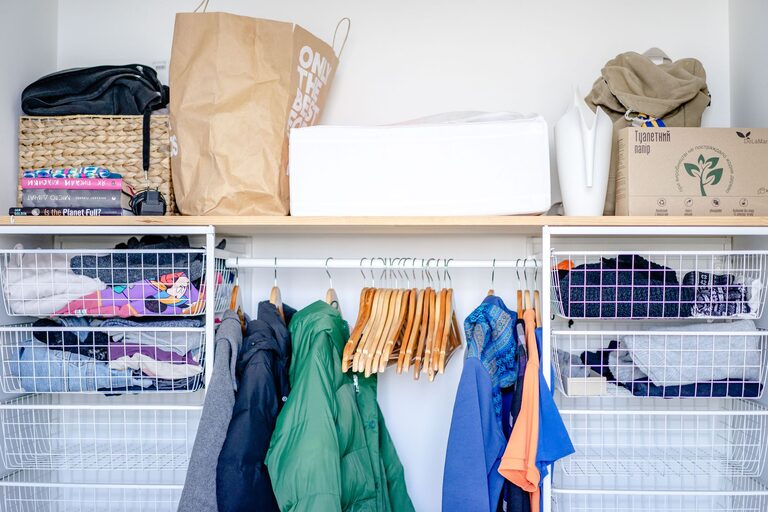
Storing seasonal clothes efficiently is a smart way to keep your home organized and make it easier to find what you need when the seasons change. Whether you’re packing away winter coats or putting summer dresses in storage, using the right techniques can save space, protect your garments, and simplify your closet management.
In this post, we’ll share practical tips and step-by-step guidance on how to store seasonal clothes efficiently, so you can enjoy a clutter-free closet and keep your wardrobe in great condition year-round.
Why Store Seasonal Clothes Efficiently?
Before diving into the how-to, it’s helpful to understand why efficient storage matters:
– Maximize Closet Space: Storing off-season clothes frees up room for the clothes you wear regularly.
– Protect Your Clothes: Proper storage prevents damage from dust, moisture, pests, and wrinkles.
– Simplify Your Routine: Organized storage makes switching seasons easier and faster.
– Maintain Clothing Quality: Storing clothes correctly helps them last longer and look better.
Step 1: Sort and Declutter
Before packing anything away, take time to sort through your seasonal clothes.
– Separate by type: Group coats, sweaters, dresses, pants, etc.
– Check condition: Repair items with loose buttons or small tears.
– Declutter: Donate or recycle clothes you no longer wear or need.
Sorting helps you keep only the items you want and reduces the volume of clothes to store.
Step 2: Clean Clothes Thoroughly
Always clean your seasonal clothes before storing them. Dirt, sweat, and stains can attract pests or cause fabric damage over time.
– Wash or dry clean: Follow care labels for each item.
– Allow clothes to dry completely: Moisture can cause mold or mildew during storage.
Clean clothes keep your stored wardrobe fresh and ready for use next season.
Step 3: Choose the Right Storage Containers
The containers you use for storing seasonal clothes make a big difference in organization and protection.
Options to Consider:
– Plastic bins with lids: Waterproof and stackable; protect clothes from moisture and pests.
– Fabric storage bags: Breathable but less protective from pests.
– Vacuum-seal bags: Save space by compressing clothes but use with caution on delicate fabrics.
– Storage boxes with dividers: Keep smaller items neat, such as scarves, gloves, or hats.
Label your containers clearly to find items quickly later.
Step 4: Store Clothes Properly
How you fold and arrange clothes inside the containers affects both space and garment condition.
Tips for Efficient Arrangement:
– Fold sweaters and knitwear neatly: Avoid hanging heavy knits to prevent stretching.
– Roll T-shirts and casual tops: Rolling saves space and reduces wrinkles.
– Use tissue paper between delicate items: Prevents friction and protects fabric.
– Place heavier items at the bottom: Avoid crushing lighter, delicate garments.
Avoid overpacking containers to keep clothes fresh and wrinkle-free.
Step 5: Use Protective Measures
To maintain clothes during storage, add protective elements:
– Moth repellents: Use lavender sachets, cedar blocks, or natural repellents instead of harsh chemicals.
– Silica gel packs: Absorb moisture inside storage bins.
– Breathable covers for hanging items: Use cotton garment bags, not plastic, to prevent moisture buildup.
Check on your stored clothes periodically for any signs of pests or moisture.
Step 6: Optimize Storage Space
Consider creative storage solutions based on your available space:
– Under-bed storage: Use flat bins or bags designed to fit under a bed.
– High shelves or closet tops: Store items in labeled bins for easy access.
– Vacant drawer space: Reserve certain drawers for out-of-season clothes.
– Vacuum-seal bags for bulky items: Great for bulky winter coats or blankets.
Properly use vertical and hidden spaces to maximize your home’s storage capacity.
Step 7: Plan Your Seasonal Switch
When changing your wardrobe each season, follow a smooth process:
- Remove current season’s clothes and clean your closet space.
- Bring out stored clothes for the new season and inspect for any issues.
- Place new seasonal clothes neatly in your closet or dresser.
- Store off-season clothes in their containers and place in your designated storage area.
Having a plan reduces stress and keeps your wardrobe manageable.
Bonus Tips for Seasonal Clothes Storage
– Keep a “repair and replace” list: Note any clothes that need attention before next season.
– Store shoes separately: Use clear shoe boxes or racks to avoid damage.
– Maintain humidity levels: Keep storage areas dry and well-ventilated.
– Avoid direct sunlight: Prevent fading by storing clothes away from windows.
Conclusion
Efficiently storing seasonal clothes isn’t just about tidiness—it also protects your investment in your wardrobe and makes your daily routine simpler. By sorting, cleaning, choosing the right containers, and following smart storage techniques, you can enjoy a clean, organized closet and keep your clothes looking their best.
Give these tips a try during your next seasonal wardrobe change and experience the benefits of a clutter-free, well-maintained closet!
About the Author